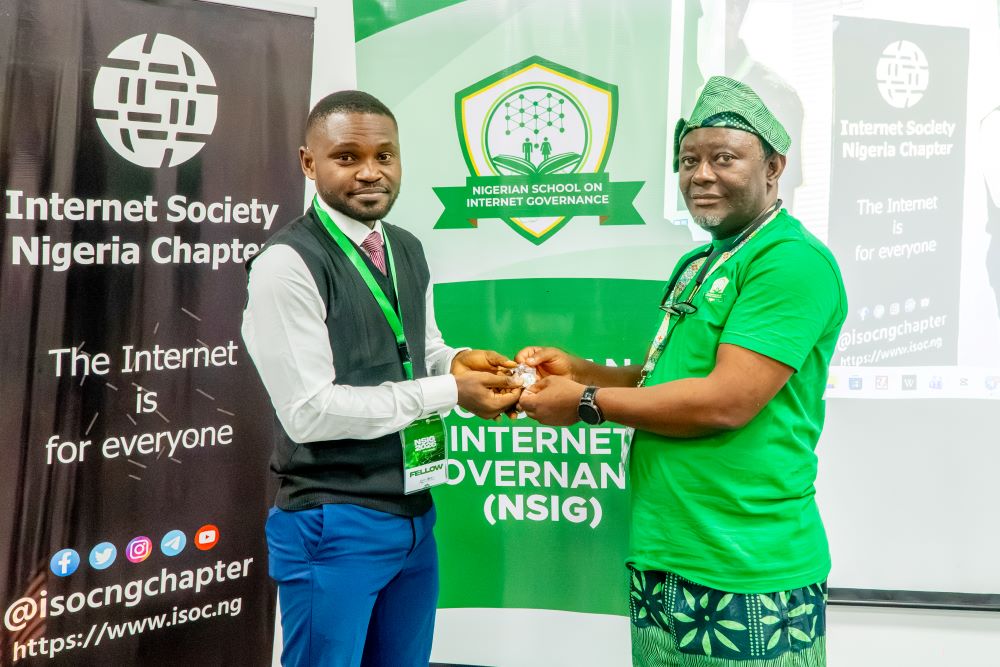

By Godwin Ogazi
Introduction
Having access to the internet is important, but is access alone enough to make people benefit from the digital world?
Today, technology is changing how people learn, work, communicate, do business and access information. From online learning to digital banking, artificial intelligence and electronic government services, many everyday activities are becoming increasingly dependent on digital technologies.
Nigeria is not left out of this transformation. More people are using smartphones, social media, online banking and digital platforms to improve their daily lives. Businesses are also adopting technology to reach customers and improve their services.
However, there is still a major challenge we need to address: not everyone has the same opportunity to participate in this digital transformation.
For some people, the challenge is poor internet connectivity. For others, it is the cost of data, lack of digital devices, limited electricity or the inability to use digital tools effectively.
This brings us to an important issue: Digital inclusion must go beyond connecting people to the internet. It must ensure that everyone has the opportunity, knowledge and resources to benefit from digital technology.
What Does Digital Inclusion Really Mean?
Digital inclusion means ensuring that individuals and communities, regardless of their location, income, education or physical ability, can access and use digital technologies meaningfully.
It is not just about owning a smartphone or having an internet connection. It also involves having the skills, confidence and support needed to use technology safely and productively.
For example, a student who has internet access but cannot afford a computer or understand how to use online learning platforms may still be excluded from important educational opportunities.
Similarly, a small business owner who has a smartphone but lacks the knowledge to promote products online, manage digital payments or protect customer information may not fully benefit from the digital economy.
This shows that meaningful digital inclusion requires more than infrastructure. It requires people to be equipped to use technology to improve their lives.
The Digital Divide in Nigeria
Nigeria has made progress in expanding digital services and internet connectivity. However, access and opportunities are not evenly distributed.
There is a noticeable difference between people living in major cities and those in rural communities.
In some rural areas, reliable internet access remains a challenge. Some schools lack functional computer laboratories, while others have computers but struggle with electricity, maintenance and qualified ICT teachers.
For many families, the cost of internet data and digital devices remains a barrier.
There is also the issue of digital literacy. Not everyone who uses a smartphone understands how to identify online scams, protect personal information, use digital learning resources or take advantage of available online opportunities.
These challenges remind us that digital transformation must be inclusive if it is to benefit the wider population.
Why Digital Inclusion Matters for National Development
Digital inclusion is not just a technology issue. It is directly connected to education, employment, economic growth, public participation and social development.
1. Improving Access to Education
Technology has created new opportunities for learning. Students can access educational materials, online courses, research resources and digital learning platforms from different locations.
However, these opportunities mean little to students who lack internet access, computers, electricity or the skills to use digital learning tools.
Nigeria must therefore invest in digital infrastructure and digital literacy programmes, especially in public schools and underserved communities.
Every child should have a fair opportunity to develop the digital skills needed to participate in today's world.
2. Creating Employment and Economic Opportunities
The world of work is changing. Many jobs now require some level of digital knowledge, from basic computer skills to data analysis, digital marketing, software development and artificial intelligence.
Young people who lack these skills may find it difficult to compete in an increasingly digital job market.
By expanding access to practical digital training, Nigeria can prepare more young people for employment, entrepreneurship and opportunities beyond their immediate communities.
Digital inclusion should not only help people use technology; it should help them create value with it.
3. Supporting Small Businesses and Entrepreneurs
Small businesses play an important role in Nigeria's economy.
With the right digital skills, business owners can reach new customers, promote their products, receive payments, manage records and improve customer relationships.
Digital platforms can help businesses grow beyond their local markets.
However, many small business owners still need practical training on how to use these tools effectively and safely.
Supporting digital inclusion among small businesses can contribute to productivity, innovation and economic growth.
4. Strengthening Public Services and Civic Participation
Digital technology can make public services more accessible and improve communication between citizens and government institutions.
Online platforms can help people access information, complete applications, receive public updates and participate in discussions about issues affecting their communities.
However, these services must be accessible to people with different levels of education, income and digital ability.
A government service that exists online but remains difficult for ordinary citizens to use has not fully achieved its purpose.
5. Promoting Social Inclusion
Digital inclusion also provides opportunities for people who are often left behind.
Women, persons with disabilities, rural communities, low-income households and other underserved populations should be considered when designing digital development programmes.
Technology should help reduce inequality, not create another form of exclusion.
The Challenges We Must Address
For Nigeria to achieve meaningful digital inclusion, some important challenges require serious attention.
Affordable Internet Access: Internet services and data costs should become more affordable, especially for low-income households and rural communities.
Electricity and Infrastructure: Reliable electricity remains essential for using computers, mobile devices and internet equipment. Communities and schools need sustainable power solutions.
Access to Digital Devices: Many students and individuals still lack access to computers, tablets and other useful digital devices.
Digital Literacy: People need practical training that helps them use technology for education, business, communication and personal development.
Online Safety and Digital Trust: As more people come online, they must understand how to protect themselves against online fraud, cyberbullying, misinformation and privacy violations.
Accessibility: Digital platforms and services should consider the needs of persons with disabilities and people with different levels of digital knowledge.
Addressing these challenges requires cooperation between government, private companies, educational institutions, civil society and technology organisations.
What Should Nigeria Do Differently?
Digital inclusion should become a deliberate national development priority rather than an issue addressed only through occasional technology programmes.
There are practical steps Nigeria can take.
- Strengthen digital education in schools. Digital literacy should become a practical part of learning, with access to functional computer laboratories, trained teachers and relevant learning resources.
- Expand connectivity in underserved communities. Investment in rural broadband and affordable internet services should receive greater attention.
- Support community digital learning centres. Public institutions, schools and community organisations can provide accessible spaces where people learn basic and advanced digital skills.
- Invest in youth digital skills. Training should focus on practical skills that can support employment, entrepreneurship and innovation.
- Encourage public-private partnerships. Government, technology companies, development organisations and local institutions should work together to expand digital opportunities.
- Promote digital safety and responsible technology use. Digital inclusion programmes should include cybersecurity awareness, privacy protection and responsible use of artificial intelligence.
- Measure the impact of digital programmes. Success should not be measured only by the number of people trained or connected. We should also ask whether people are using their skills to improve education, businesses, employment and community development.
The Role of Communities and Young People
Digital inclusion cannot be achieved by government alone.
Communities, young professionals, educators, technology organisations and civil society groups all have important roles to play.
Young people who have acquired digital skills can support others through peer learning, volunteering, mentorship and community awareness programmes.
Schools can work with technology organisations to provide practical training and access to digital resources.
Local organisations can also help identify the specific needs of their communities and develop solutions that respond to those challenges.
Sometimes, meaningful change begins with a small computer training programme in a local school, a digital literacy session in a rural community or an initiative that helps small business owners understand how to use technology.
These efforts may appear small, but they can create lasting opportunities when properly planned and sustained.
Conclusion
Nigeria's digital future should not be measured only by how many people have access to the internet. It should also be measured by how many people can use technology to learn, earn a living, access information, participate in society and improve their quality of life.
Connecting people to the internet is an important first step, but ensuring that they can benefit from that connection is the real goal.
Digital inclusion must become a shared responsibility and a national development priority.
We must build a digital environment where a student in a rural community has access to learning opportunities, where small business owners can compete in the digital economy, and where young people can develop the skills needed to participate in the future of work.
The real success of Nigeria's digital transformation will not be in how many people we connect, but in how many lives we empower through technology.
About the Author
Godwin Ogazi is a technology leader, digital transformation advocate, educator and entrepreneur with interests in Internet Governance, digital inclusion, cybersecurity, digital literacy and emerging technologies.
He is a fellow of the Nigeria School on Internet Governance (NSIG) and the Founder/CEO of Soteria Tech Global Resources Ltd. He is passionate about using technology to strengthen education, empower communities and promote inclusive digital development across Africa.